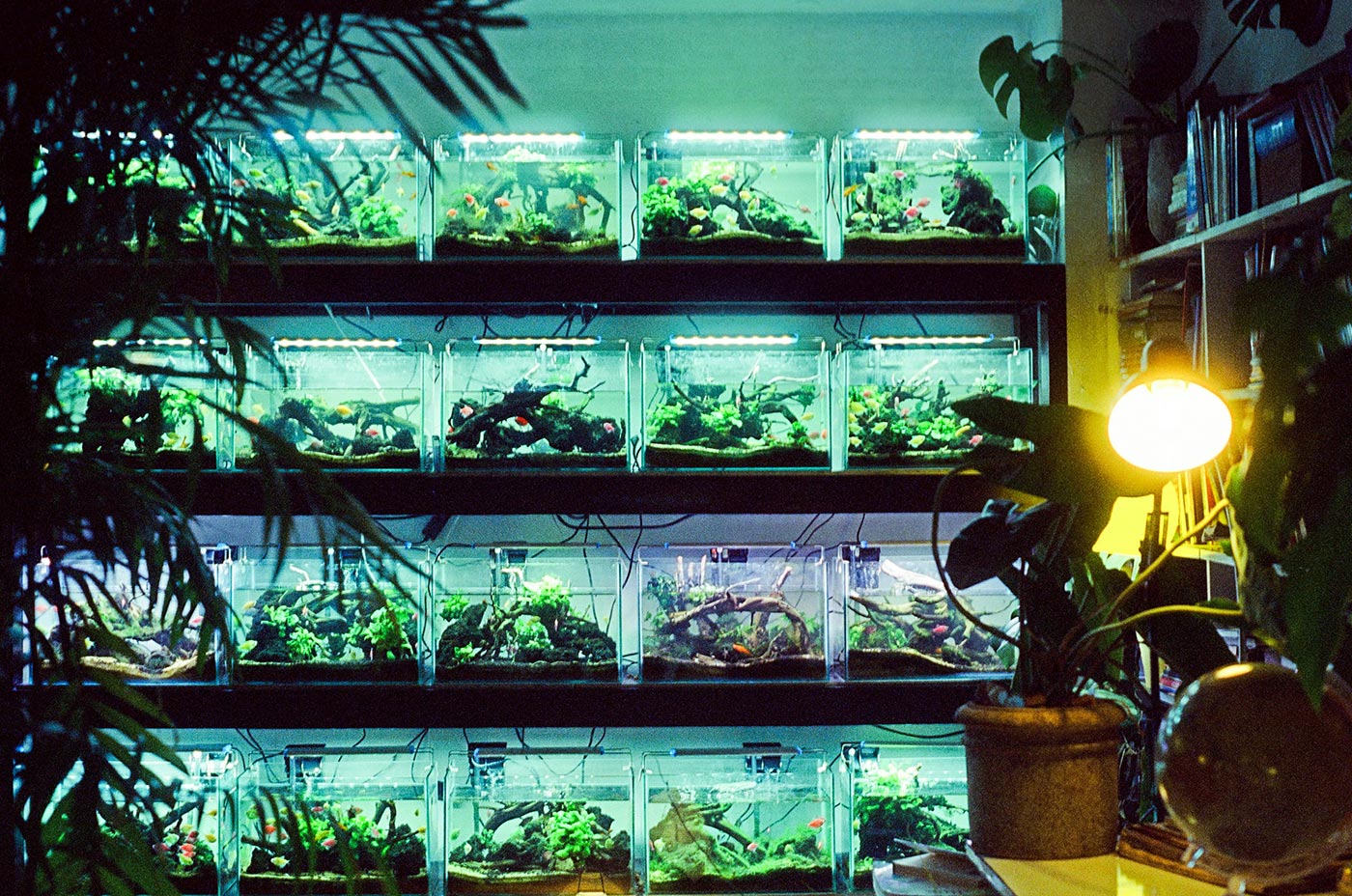
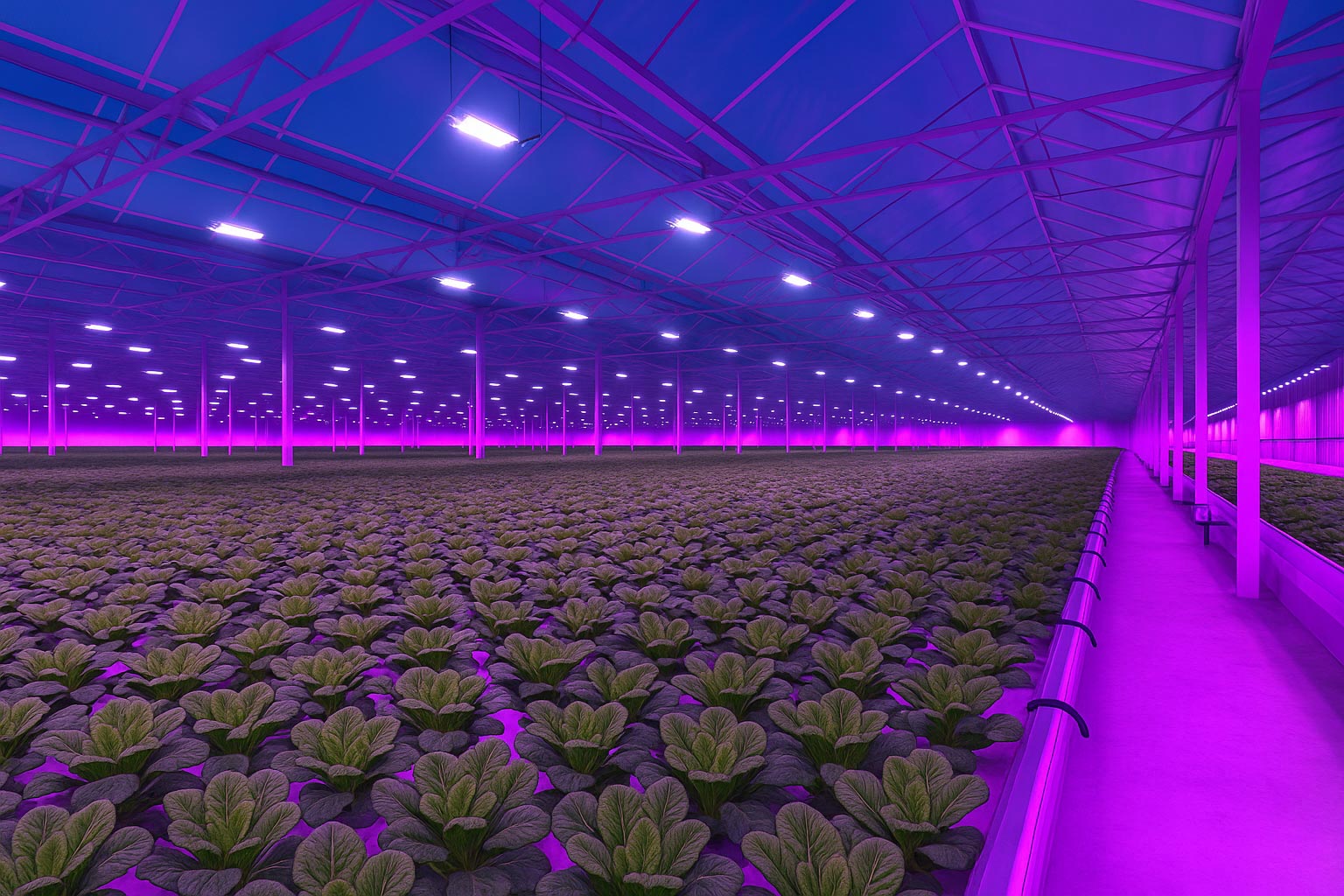
Horticultural LED lighting has transformed the way we grow plants indoors and under glass. From greenhouses and vertical farms to research labs and propagation facilities, today’s LED systems deliver tailored light spectrums that enhance growth, yield, and quality while dramatically reducing energy use. The right combination of wavelength, intensity, and control can fine-tune photosynthesis, drive specific crop traits, and extend growing seasons, all with lower heat output and maintenance compared to legacy HPS systems.
Full-Spectrum LED Technology
Modern horticulture LED systems replicate the ideal balance of sunlight to promote healthy plant growth throughout every stage of development. Tunable spectrums allow you to adjust wavelengths for propagation, vegetative, or flowering phases—enhancing photosynthesis and plant morphology while cutting electricity costs by up to 60% compared to traditional HPS lamps.
Crop-Specific Lighting Design
Each crop demands a unique light recipe. Tailored PPFD mapping ensures consistent coverage and optimal photon density for high-value produce such as leafy greens, herbs, berries, and ornamentals. Our design service models light intensity and uniformity to guarantee better yield quality and shorter growth cycles in greenhouses, tunnels, or indoor grow facilities.
Energy Efficiency & ROI
LED horticulture lighting transforms operational efficiency by delivering more usable light (µmol/J) with less waste heat. Lower heat output reduces cooling demand and irrigation frequency, helping you maintain ideal microclimates and boost profitability. Most installations achieve full ROI within 24 to 36 months through reduced energy consumption and maintenance costs.
All systems are supplied and installed to meet UKCA and IEC safety standards for humid and high-ambient horticultural environments. IP65–IP67-rated fittings ensure long service life and resistance to moisture and dust. Our installation partners handle everything from electrical design to aftercare, ensuring your horticultural facility operates at peak performance from day one.
Horticultural lighting is a way to supplement or replace natural sunlight to help plants grow in a controlled environment. It can be used to:
Improve yield: Grow lights can increase yield by creating a controlled environment that allows for fine-tuning quality.
Reduce environmental impact: Grow lights can reduce the need for pesticides, land, and water, and can also reduce the distance food needs to travel to reach the consumer.
Grow in less favorable conditions: Grow lights can be used in regions with limited daylight or unfavorable weather conditions.
Grow in urban areas: Grow lights can be used to grow food close to large markets in urban centers.
Monitor growth: Advanced sensing solutions can be used to monitor plant growth.
Optimise harvests: Horticultural lighting can help optimize harvests.
Minimise fertilizer use: Horticultural lighting can help minimise fertilizer use.
Reduce energy costs: Horticultural lighting can help reduce energy costs.
Why choose Horticultural Lighting Services
Promoting Growth and Efficiency
Improve yield
Grow lights can increase yield by creating a controlled environment that allows for fine-tuning quality.
Monitor growth
Advanced sensing solutions can be used to monitor plant growth.
Reduce energy costs
Horticultural lighting can help reduce energy costs.
Horticulture LED Lighting; What to Choose & Why
Quick guide to the right LED grow luminaires for greenhouses, grow rooms and vertical farms.
Match fittings to crop stage, target PPFD/DLI and installation height for best yield and uniformity.
Best-fit LED options for horticulture environmentsPPFD Mapping • DLI Planning • IP65/67 • UKCA/CE
Type
Best For
Typical Energy Saving*
Spectrum / Optics
Notes & Benefits
Greenhouse Toplighting
Greenhouse
Tomato, cucumber, peppers; high-bay spans (3–6 m)
50–60% vs HPS
Broad/full spectrum; asymmetric beams for crop canopies
2.7–3.5 µmol/J; even PPFD; lower heat load reduces venting costs
Interlighting Bars
Canopy
Vine crops; boosting light in lower canopy
35–45%
Directional optics; red/blue-rich with white for morphology
Improves uniformity and fruit set; slim, pass-through design
*Savings vs typical HPS/fluorescent systems. Results depend on hours, controls, spectra and site conditions.
Indicative efficacy 2.7–3.5 µmol/J; final design based on crop, height and PPFD uniformity targets.
Choosing the ideal grow lighting system can be complex. Factors like crop type, stage, and environment all influence the optimal spectrum and installation design. These FAQs answer some of the most common questions about horticultural LEDs, helping you plan a lighting strategy that’s efficient, compliant, and built for long-term return on investment.
How do I work out the right light levels (PPFD and DLI) for my crop?
Start with crop targets, then design to PPFD uniformity at canopy height. As a guide: leafy greens and herbs often run 150–300 µmol/m²/s, fruiting crops in greenhouses typically 200–400 µmol/m²/s supplemental, and vertical farms can go 200–600 µmol/m²/s depending on tier spacing and CO₂. Convert your daily light target to DLI and use dimming/photoperiod control to hit it consistently through the seasons.
What efficiency and ROI should I expect when replacing HPS?
Modern horticulture LEDs deliver around 2.7–3.5 µmol/J, typically cutting lighting energy by 45–65% vs HPS and lowering HVAC load due to reduced radiant heat. Most projects see ROI in 24–36 months, faster if controls are used to automate DLI, dim on bright days, and reduce night-time waste.
What colour temperature is best—and does “dark-sky” matter?
Full-spectrum LEDs (white with red boost) give balanced morphology and easier visual inspection. Red-heavy mixes raise efficacy and flowering response but can need a blue component to maintain structure. Many sites use tunable or modular spectra so propagation, veg, and flowering each get an optimised “recipe,” with optional far-red (730 nm) or UV channels for quality traits.
Are the fittings suitable for humid grow spaces and UK compliance?
Yes! Use IP65–IP67 luminaires with corrosion-resistant finishes, sealed connectors, and remote drivers where needed. We supply UKCA/CE-compliant systems and install to BS 7671 with appropriate protection and controls. Ongoing care includes lens cleaning, verifying mounting heights, driver health checks, and periodic calibration of PAR sensors to keep PPFD and DLI on target.
We use cookies to ensure that we give you the best experience on our website. If you continue to use this site we will assume that you are happy with it.